
Introduction
In today’s highly connected world, digital marketing plays a critical role in how businesses grow and communicate with their audience. With consumers spending more time online, brands must adopt smart digital strategies to remain visible, relevant, and competitive.
What Digital Marketing Really Means
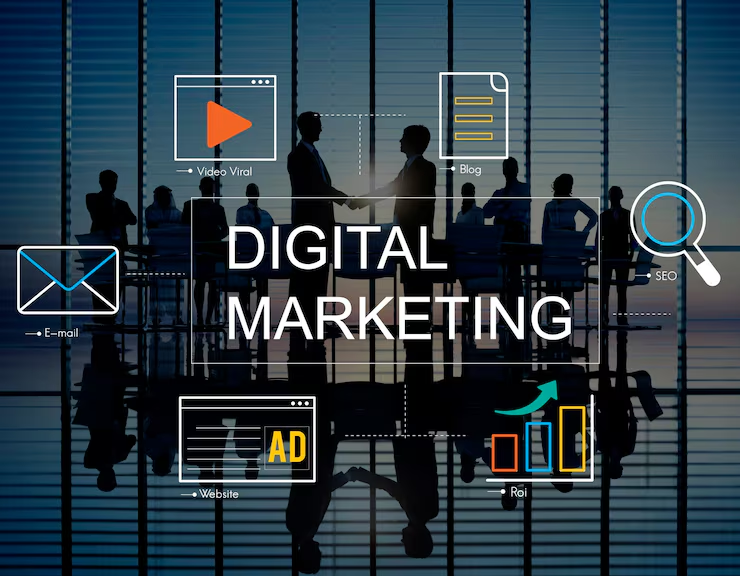
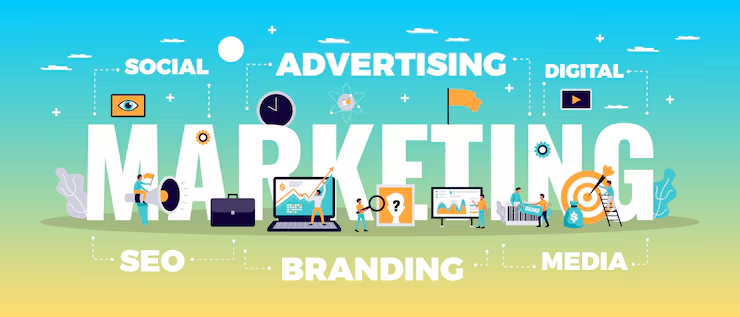
Digital marketing is the practice of promoting products and services using online channels such as search engines, social media platforms, email, and websites. It allows businesses to reach specific audiences, track performances, and adjust strategies in real time.
The Importance of Strategy in Digital Marketing
Successful digital marketing starts with a clear strategy. Understanding business goals, identifying the target audience, and selecting the right digital channels ensure marketing efforts deliver meaningful results rather than just online presence.
Key Digital Marketing Channels Explained
1.Search Engine Optimizing (SEO)
SEO helps businesses gain visibility on search engines by improving website content, structure, and performance. A strong SEO strategy drives organic traffic and builds long-term credibility.

2. Social Media Marketing
Social media platforms provide opportunities to connect directly with customers. Through consistent content and engagement, businesses can strengthen brand identity and build trust.

3. Paid Advertising
Paid advertising offers immediate reach and targeted exposure. Platforms like Google Ads allow businesses to connect with users actively searching for related products or services.

4. Content Marketing
Content marketing focuses on delivering valuable information to users. High-quality blogs, videos, and visuals help educate audience and support SEO efforts.

The Role of Data and Analytics
Digital Marketing relies heavily on data. Analytics tools help marketers track user behavior, measure campaign success, and improve performance through informed decision.
Building Long-Term Brand Value
Digital Marketing is not only about quick results. Consistent efforts help build brand awareness, customer loyalty, and a strong online reputation over time.
Challenges in Digital Marketing
Rapid changes in technology, algorithms, and consumer behavior require marketers to stay updated and adaptable. Continuous learning is essential for long-term success.
Conclusion
Digital marketing is a powerful tool for businesses seeking growth in a competitive environment. With the right strategy, creativity, and date-driven approach, brands can achieve measurable results and long-term success online.